You rely on equipment every day to keep work moving. When tools and machines lack clear labels, small delays add up and costs rise. Proper equipment labeling helps you work faster, avoid errors, and control expenses without adding extra steps to your routine.
This article explains how clear, durable labels support daily operations on the job site. You will see how labeling improves tracking, supports maintenance, protects assets, and helps meet safety rules, all while reducing downtime and simplifying inventory control.
1) Improves equipment tracking to reduce search time
Clear equipment labels help you find tools and machines faster. When every item has a readable ID, you spend less time walking the floor or calling coworkers. That saved time adds up during busy shifts.
Consistent labeling also improves tracking systems. You can match labels to logs, scans, or maintenance records without confusion. This makes it easier to know what you have, where it is, and who last used it.
Durability matters as much as clarity. Labels face heat, chemicals, abrasion, and constant handling. If they fade or peel, tracking breaks down and search time returns.
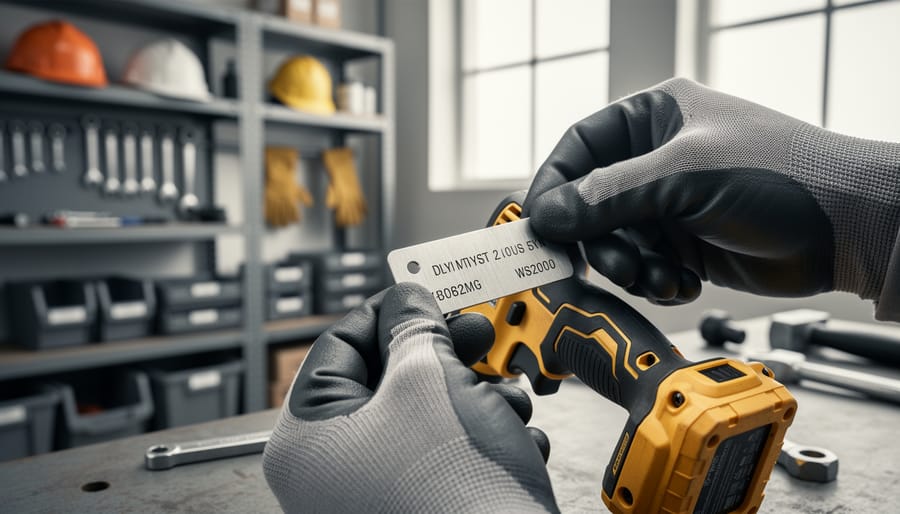
Using durable metal labels helps keep information readable over the long term. Options like metal equipment labels stay attached to equipment because they are engineered to resist harsh conditions. You avoid relabeling work and prevent gaps in your records.
When labels last, your tracking stays reliable. You reduce delays, limit mistakes, and keep work moving without unnecessary interruptions.
2) Facilitates efficient maintenance scheduling
Clear equipment labels help you plan maintenance without delays. When labels show asset IDs, service dates, and usage details, you can schedule work with confidence.
You avoid guesswork when technicians find the right machine fast. Labels guide them to the correct task, parts, and tools. This saves time during inspections and routine service.
Accurate labels also support better scheduling in your maintenance system. You can match work orders to the right asset and set recurring tasks based on real data. This keeps schedules realistic and balanced.
Standard labels improve communication across teams. Everyone reads the same information and follows the same process. That reduces rework and missed steps.
Durable labels stay readable on the shop floor. They resist heat, chemicals, and wear, so details stay current. You spend less time fixing errors caused by missing or unclear information.
With clear labels, you plan work earlier and respond faster. Your schedule stays organized, and downtime stays lower.
3) Prevents costly equipment misplacement or theft
Clear equipment labels help you know what you own and where it belongs. When tools and machines carry visible ID labels, crews can return them to the right place. This simple step cuts time spent searching and reduces job delays.
Labels also make it easier to spot missing items early. You can notice when equipment leaves a site or shows up where it should not be. Faster awareness lets you act before a small loss becomes a larger problem.
Theft remains a common issue on job sites, especially for portable or high‑value equipment. Labeled equipment is harder to resell and easier to trace back to you. This added risk can discourage theft and support recovery if a loss occurs.
Proper labeling also supports better inventory control. You can track usage, assign responsibility, and confirm equipment during routine checks. These habits protect your assets and help you avoid unnecessary replacement costs.
4) Ensures compliance with safety and regulatory standards
Proper equipment labeling helps you meet safety and regulatory rules without extra effort. Clear labels show hazards, operating limits, and required actions at the point of use. This reduces confusion and helps workers make safe choices.
Many standards, such as OSHA, ANSI, ISO, and NFPA, require specific label content and placement. When you label equipment correctly, you avoid missed details that can lead to violations. You also make inspections faster and less stressful.
Accurate labels support training and daily operations. Workers can confirm correct use without searching manuals or asking supervisors. This saves time and lowers the risk of mistakes.
Durable, readable labels also matter for compliance. Labels must stay legible despite heat, chemicals, or outdoor exposure. When labels last, you avoid frequent replacements and reduce the chance of non-compliance.
By keeping equipment clearly labeled, you protect workers and meet required standards. You also reduce the risk of fines, rework, and downtime tied to labeling issues.
5) Reduces downtime caused by equipment failures
Clear equipment labels help you find key information fast when a problem starts. You can see model numbers, service dates, and safety limits without searching through manuals. This saves time during inspections and repairs.
Labels also support faster troubleshooting. When parts, controls, and connections have clear names, your team can spot issues sooner. This reduces guesswork and lowers the risk of fixing the wrong component.
Proper labeling supports planned maintenance. You can mark service intervals, lubrication points, and inspection checks right on the equipment. This helps you address small issues before they lead to failure.
Labels also improve communication across shifts. The next operator can see warnings, status notes, or recent work at a glance. This reduces repeat mistakes and unplanned stops.
Durable labels matter in harsh environments. Labels that resist heat, chemicals, and wear stay readable over time. You keep critical information visible, even in tough conditions.
6) Speeds up inventory audits and management
Clear equipment labels let you identify items fast during audits. You do not waste time guessing what an item is or checking serial numbers by hand. You can confirm counts and locations with less effort.
Labels with barcodes or asset numbers help you scan items quickly. You update records in real time as equipment moves or changes hands. This keeps your inventory data current and easier to trust.
Good labeling also supports routine inventory checks. You can spot missing, damaged, or unused equipment faster. This helps you act early instead of fixing problems after they grow.
When audits take less time, you reduce labor costs. Your team stays focused on daily work instead of long inventory reviews. You manage equipment with fewer delays and fewer errors.
Key Principles of Effective Equipment Labeling
You save time and money when labels last, stay readable, and follow clear rules. Strong materials reduce replacements, while consistent standards cut errors and speed up work.
Label Material Selection
Choose label materials that match your work environment. Heat, moisture, oil, sunlight, and abrasion can damage weak labels and force rework.
Use materials that bond well to your surfaces. Flat metal, textured plastic, and painted steel need different adhesives. Poor adhesion leads to peeling and lost information.
Common label material options
|
Environment |
Recommended Material |
Why it works |
|---|---|---|
|
Indoor, low wear |
Polyester |
Clear print, low cost |
|
Heat or chemicals |
Polyimide |
Resists heat and solvents |
|
Outdoor exposure |
UV-rated vinyl |
Holds color in sunlight |
|
Heavy abrasion |
Laminated labels |
Protects text and barcodes |
Select inks that resist fading and smearing. Durable print keeps serial numbers, warnings, and maintenance dates readable over time.
Clear and Consistent Labeling Standards
Set one standard and apply it everywhere. Consistency helps you find information fast and avoid mistakes during use or maintenance.
Use simple layouts with strong contrast. Black text on white or yellow backgrounds improves visibility. Avoid small fonts and crowded designs.
Include only needed details. Focus on asset ID, safety warnings, voltage, or service dates. Extra text slows reading and increases errors.
Good standards to follow
- Same font and size across all equipment
- Fixed label placement for each equipment type
- Standard colors for hazards and status
- Plain language with common symbols
Train your team to follow the same rules. When everyone labels equipment the same way, you work faster and reduce downtime.
Long-Term Benefits for Job Sites
Proper equipment labeling creates steady gains that add up over time. You work faster and avoid errors that cause delays, rework, and safety issues.
Enhanced Workflow Efficiency
Clear labels help you find tools and machines without delay. You reduce search time when each item shows its name, location, and owner at a glance. Crews move between tasks with fewer stops.
Labels also support maintenance planning. You can see service dates, inspection status, and operating limits right on the equipment. This keeps machines running and cuts downtime.
Standard labels improve handoffs between teams and shifts. Everyone reads the same information and follows the same process. This consistency matters on busy sites with changing crews.
Common efficiency gains from labeling:
- Faster tool checkout and return
- Quicker setup for repeat tasks
- Fewer calls to supervisors for clarification
Minimized Operational Mistakes
Labels reduce errors by giving clear, visible instructions. You lower the risk of using the wrong tool or operating equipment outside safe limits. This protects people and property.
Warning labels mark hazards and required PPE. Instruction labels show correct settings and load limits. Asset labels prevent mix-ups between similar machines.
The table shows how labels prevent common mistakes:
|
Label Type |
Mistake Avoided |
Result |
|---|---|---|
|
Asset ID |
Using the wrong unit |
Accurate tracking |
|
Safety warning |
Skipping PPE |
Fewer injuries |
|
Maintenance tag |
Overdue service |
Longer equipment life |
When mistakes drop, you avoid rework, fines, and repairs. These savings grow over the life of the job site.
Related Posts