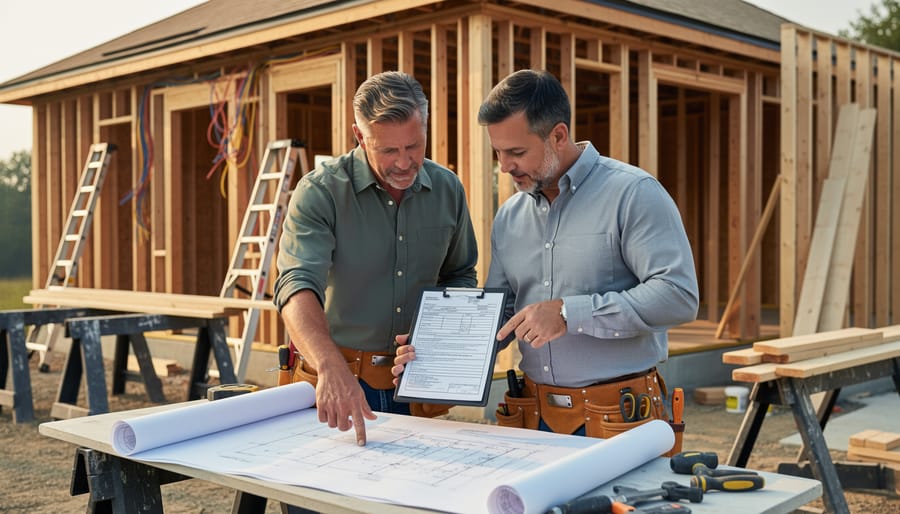
Check your project scope against Yakima’s permit requirements before purchasing materials or equipment—renovations involving structural changes, electrical work, plumbing modifications, or additions exceeding 200 square feet typically require permits, while minor cosmetic updates like painting or cabinet replacement generally don’t. Contact the City of Yakima Planning and Development Services at 509-576-6603 to confirm whether your specific project needs building project approvals before investing time and money.
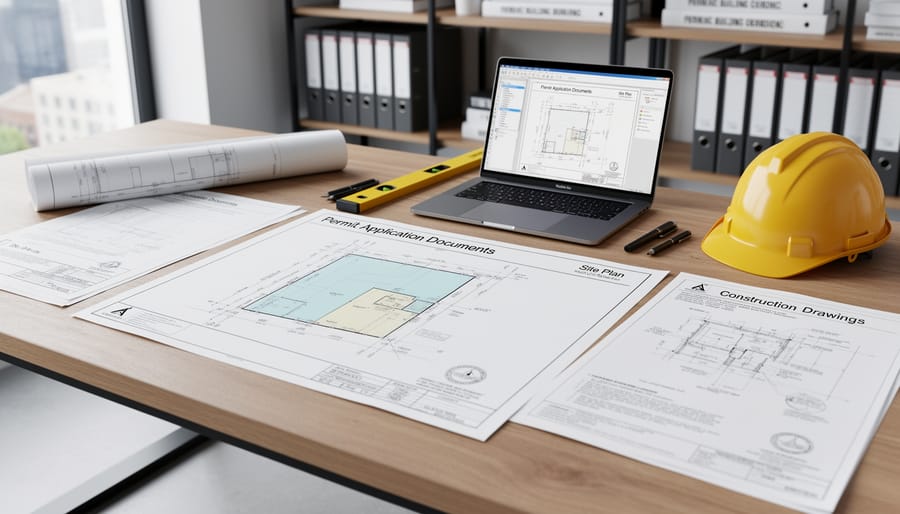
Gather complete documentation including site plans, detailed construction drawings, engineering calculations for structural work, and property surveys before submitting your application—incomplete applications cause the most significant delays, often adding weeks to approval timelines. The city requires specific drawing scales and technical specifications that vary by project type, so review the permit application checklist available on Yakima’s official website.
Budget between $50 for simple permits and several thousand dollars for complex commercial projects, with residential permits typically ranging from $200 to $800 depending on project valuation and square footage. Factor in additional inspection fees and potential plan review costs when calculating your total project budget.
Schedule inspections at critical construction phases—foundation, framing, electrical rough-in, plumbing rough-in, and final inspection—by calling 48 hours in advance. Missing required inspections or proceeding without approval can result in stop-work orders, fines up to $500 per violation, and mandatory project dismantling. Understanding these requirements upfront prevents costly mistakes and ensures your renovation proceeds smoothly while maintaining property value and insurance coverage.
Why Yakima Requires Building Permits (And What Happens If You Skip Them)
Building permits in Yakima aren’t just bureaucratic red tape—they’re essential safeguards that protect your investment, your family, and your community. The city requires permits to ensure construction projects meet construction safety standards and comply with local building codes designed to prevent structural failures, electrical fires, and other hazards.
Skipping permits might seem like a time-saver, but the consequences can be severe and costly. Homeowners who proceed without proper authorization face fines ranging from $500 to $2,000 per violation in Yakima. More concerning, unpermitted work often triggers a cascade of problems down the road.
Insurance complications top the list of real-world consequences. If your unpermitted addition catches fire or causes structural damage, your insurance company can deny your claim entirely. One Yakima homeowner learned this the hard way when their DIY deck collapse resulted in injuries—their policy refused coverage because no permit was obtained, leaving them personally liable for medical expenses and repairs.
Resale issues create another headache. During property transactions, title companies and buyers routinely request permit records. Unpermitted work discovered during inspections can derail sales, force price reductions, or require expensive remediation. You might need to tear out completed work, obtain retroactive permits, and redo inspections—often at double the original cost.
For contractors, operating without permits risks professional licensing, invites legal action from clients, and damages reputation. According to community feedback from local tradespeople, permit compliance actually protects their business by documenting proper workmanship and creating clear liability boundaries.
The permitting process exists because construction errors have real consequences. Poor electrical work causes house fires. Inadequate structural support leads to collapses. Improper plumbing creates health hazards. Permits ensure qualified inspectors verify your project meets minimum safety thresholds, protecting everyone involved. The modest permit fees and brief delays pale compared to the financial and safety risks of cutting corners.
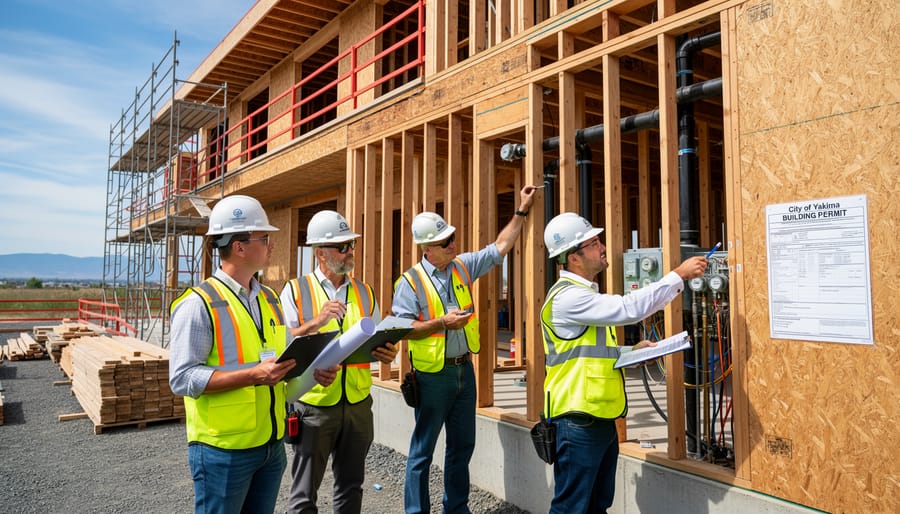
Which Projects Need Permits in Yakima
Projects That Always Need Permits
In Yakima, certain construction activities always require permits, regardless of the project’s size. Understanding these categories helps you plan your timeline and budget effectively.
Structural changes top the list. Any work that affects your home’s load-bearing walls, foundation, or roof structure needs approval. This includes removing walls, adding support beams, or modifying the foundation. These permits ensure your home remains structurally sound and safe for occupancy.
Electrical work requires permits for nearly all installations beyond simple fixture replacements. Running new circuits, upgrading your electrical panel, installing outlets, or adding exterior lighting all need documentation. Licensed electricians typically handle permit applications as part of their service, but DIY enthusiasts should know these requirements before starting.
Plumbing projects that involve new fixtures, relocating pipes, or connecting to the main water or sewer lines always require permits. This includes bathroom additions, kitchen remodels with new plumbing, and water heater installations. The city needs to verify proper connections to prevent contamination and ensure code compliance.
HVAC installations and modifications require permits to guarantee proper ventilation, safe gas connections, and energy efficiency standards. Whether you’re replacing a furnace or installing a new air conditioning system, inspection ensures safe operation.
New construction and additions obviously need permits. Building a new home, adding a room, constructing a garage, or finishing a basement all require comprehensive permit applications covering multiple trades. These larger projects involve plan reviews, multiple inspections, and potentially longer approval timelines.
Remember, permit requirements protect your investment and ensure community safety standards.
Projects You Can Usually Do Without Permits
Good news for DIYers tackling smaller projects: many common home improvements don’t require permits in Yakima. Cosmetic updates like painting, wallpapering, and replacing flooring typically fall into this category. You can also handle minor repairs such as fixing leaky faucets, patching drywall, or replacing broken tiles without paperwork.
Standard maintenance work generally gets a pass too. This includes replacing cabinet hardware, swapping out light fixtures (as long as you’re not adding new circuits), and installing shelving units. Window and door replacements that don’t alter the opening size usually don’t need permits either.
Small outdoor projects often fly under the permit radar. Building a basic fence under 6 feet tall, constructing a simple garden shed (typically under 120 square feet), or installing a patio without footings are common examples.
However, here’s the critical caveat: these guidelines can vary, and local ordinances sometimes differ from general rules. What doesn’t require a permit in one Yakima neighborhood might in another, especially in historic districts or HOA communities. When in doubt, a quick call to the Yakima Building Division can save you from costly mistakes. Many community members recommend confirming before starting any project that impacts your home’s structure, electrical system, or plumbing—even if it seems minor.
The Gray Area: When to Call First
Not every project fits neatly into the “definitely needs a permit” or “no permit required” category. Several common home improvements fall into a gray area where requirements depend on specific details like size, location, or structural impact.
Fence installation is a classic example. While property line fences under six feet typically don’t require permits in Yakima, height restrictions and setback requirements vary by neighborhood. Before digging post holes, check with the Building Department about your specific location and fence design.
Deck repairs can be tricky too. Simple board replacement usually doesn’t need a permit, but if you’re rebuilding structural supports, adding square footage, or modifying railings, you’ll likely need approval. The distinction between maintenance and reconstruction matters here.
Shed construction depends heavily on size and placement. Small storage sheds under 200 square feet often get a pass, but foundation type, setbacks from property lines, and total lot coverage can change the answer. Community members on local forums frequently share their experiences with shed permits, offering real-world guidance beyond official guidelines.
When you’re uncertain, a quick call to Yakima’s Building Department saves headaches down the road. They can clarify requirements for your specific situation before you rent equipment or purchase materials. It’s always easier to ask first than to retrofit a project for compliance later.
The Step-by-Step Permit Application Process
Gathering Your Documentation
Getting your permit application approved starts with having proper documentation ready. Here’s what you’ll typically need for your Yakima building permit:
Start with your property information, including your parcel number and legal property description (found on your deed or tax statement). You’ll need approved site plans showing your lot boundaries, existing structures, setback lines, and where your new construction will sit.
Construction drawings are essential and should include detailed floor plans, elevations, and cross-sections with dimensions. Depending on your project scope, you may need engineering reports or structural calculations, particularly for foundations, load-bearing walls, or additions.
Additional documents often include energy compliance forms (for heated spaces), a completed permit application, and proof of property ownership. If you’re working in a flood zone or making plumbing changes, expect additional specialized documentation.
Pro tip from the community: Create a digital folder with all documents before visiting the permit office. Many applicants report that having everything organized and easily accessible speeds up the review process significantly and helps you respond quickly to any requests for clarification.
Submitting Your Application
You can submit your Yakima building permit application through two convenient methods. For in-person submissions, visit the Yakima Building Department at City Hall, 129 North 2nd Street, during regular business hours (typically Monday through Friday, 8:00 AM to 5:00 PM). Bring all required documents, including completed application forms, detailed project plans, site surveys, and any additional documentation specific to your project type.
Online submissions are available through the City of Yakima’s e-permitting portal, which allows you to upload digital copies of your plans and supporting documents. This option often speeds up the initial review process and lets you track your application status remotely.
During the initial review, expect a plan examiner to assess your application for completeness within 5-10 business days. They’ll verify that your plans meet current building codes, zoning requirements, and safety standards.
Common rejection reasons include incomplete applications, missing structural calculations, insufficient property line setbacks, plans that don’t meet current energy codes, and unclear construction details. Many DIYers also overlook required engineering stamps for structural modifications or fail to provide adequate site drainage information. To avoid delays, double-check that all forms are fully completed and all referenced documents are included before submitting.
The Review and Inspection Timeline
Once you submit your permit application to the City of Yakima, expect a review period of 10 to 15 business days for straightforward residential projects. More complex commercial or multi-family projects may take 4 to 6 weeks. The city will notify you of approval or request clarifications if your plans need adjustments.
After approval, you’ll schedule inspections at key construction milestones. The foundation inspection happens first, where inspectors verify proper depth, rebar placement, and form alignment before concrete is poured. Next comes the framing inspection, checking structural integrity, proper lumber sizing, and correct spacing of studs and joists.
The rough-in inspection covers electrical, plumbing, and HVAC systems before walls are closed up. Inspectors look for code-compliant wiring, proper grounding, secure pipe connections, and adequate ventilation. Plan these inspections at least 24 hours in advance by calling the inspection line or using the city’s online portal.
The final inspection confirms everything meets code requirements, including smoke detectors, handrails, and completed finishes. Community feedback from local contractors suggests building good rapport with inspectors and having your plans on-site speeds up the process. Most inspections take 30 to 45 minutes, and you’ll receive either approval or a list of corrections needed before moving forward.
Getting Your Final Approval
Once your project passes all required inspections, you’re in the home stretch. The Yakima Building Department will issue a Certificate of Occupancy (CO), which legally confirms your structure meets all building codes and is safe to use. This document is essential—you’ll need it for insurance purposes, when selling your property, or if you’re opening a business in the space.
To close out your permit properly, ensure all inspection records are complete and any correction notices have been addressed. The city will finalize your file and mark the permit as closed in their system. Keep your CO and permit documentation in a safe place with your property records. Future buyers or contractors may request these documents to verify work was done legally. Some homeowners create a project binder with permits, receipts, warranties, and photos—this proves invaluable for insurance claims or future renovations. Remember, properly closed permits protect your investment and prevent complications down the road.
What Building Permits Cost in Yakima
Base Permit Fees and Calculation Methods
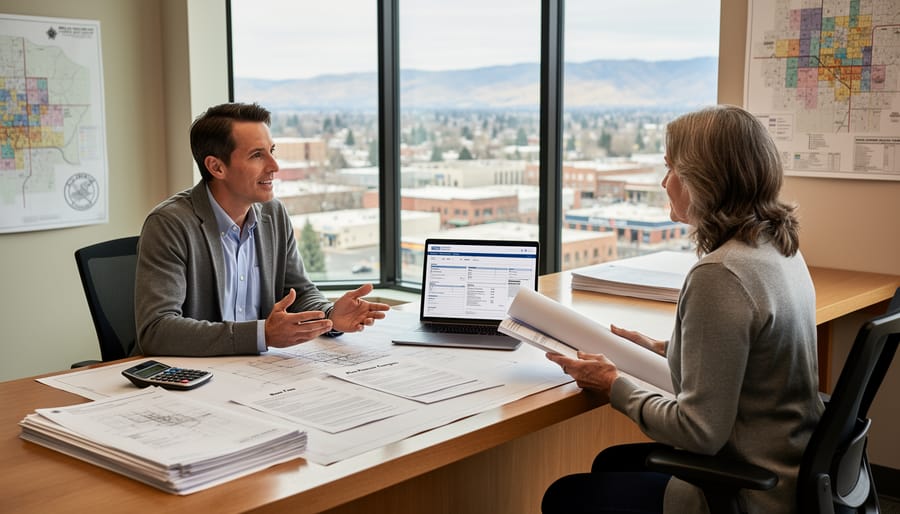
Yakima calculates building permit fees primarily based on your project’s total valuation—the estimated cost of construction including materials and labor. The city uses a sliding scale fee structure, meaning larger projects cost more to permit. For straightforward projects, homeowners typically pay between $150-$500 for permits covering standard work like deck additions, minor remodels, or electrical upgrades.
To determine your specific fees, you’ll need to estimate your project valuation accurately. Include all materials you’ll purchase or rent, labor costs if hiring contractors, and equipment expenses. Being transparent here helps avoid complications during inspections. For example, a basic bathroom remodel valued at $8,000 might run approximately $250 in permit fees, while a kitchen renovation valued at $25,000 could cost $600-$800.
The most current fee schedules are available at Yakima’s Community Development Department office or on their official website. These schedules break down costs by permit type—mechanical, electrical, plumbing, and structural—since complex projects may require multiple permits. Some homeowners find the online fee calculator helpful for budgeting before submitting applications. Remember that permit fees are separate from inspection costs, which may apply as your project progresses. Always verify current rates before starting your project, as fee structures update periodically to reflect administrative costs.
Hidden Costs Most People Miss
Beyond the base permit fee, Yakima building permits often come with surprise expenses that can impact your project budget. Plan review fees typically add 65% of your permit cost, though this varies by project complexity. If your initial plans don’t meet code requirements, you’ll pay these fees again for resubmittal.
Re-inspection charges kick in when work fails the first inspection—usually $75 to $150 per additional visit. Many DIYers encounter these when rushing through electrical or plumbing installations without double-checking code requirements.
Impact fees for utilities, roads, or parks can add thousands to larger projects like additions or new structures. These fund community infrastructure affected by new development and aren’t always disclosed upfront.
Professional services often become necessary even for confident DIYers. Structural engineers charge $500-$2,000 for stamped drawings required on load-bearing modifications. Architects may be needed for complex renovations, running $1,500-$5,000 depending on scope.
System Development Charges (SDCs) apply when you’re adding square footage or new utility connections. Water, sewer, and stormwater SDCs combined frequently exceed $3,000.
Request an itemized fee estimate from Yakima’s Building Department before starting your project. Understanding these hidden costs helps you budget realistically and avoid mid-project financial surprises that could stall your renovation.
Tools and Resources That Make the Process Easier
Navigating the Yakima permit process becomes significantly easier when you have the right tools and resources at your fingertips. Start by investing time in proper document preparation—create a comprehensive project binder that includes your application forms, site plans, blueprints, and contractor agreements. Many DIY enthusiasts find success using free online blueprint software like SketchUp or Floorplanner to create basic drawings that meet permit requirements.
For the physical work ahead, consider renting specialized equipment rather than purchasing. Power tools, concrete mixers, scaffolding, and laser levels are essential for many permitted projects and are readily available through local rental platforms. This approach saves money and ensures you’re working with well-maintained, professional-grade equipment that helps your project meet code standards.
Don’t overlook the value of professional consultations, even on DIY projects. Many Yakima residents benefit from hiring a licensed contractor or engineer for a one-hour consultation to review plans before submission. This modest investment typically costs between $100-$300 but can prevent costly application rejections and redesigns. Local architects also offer plan review services specifically tailored to Yakima’s building codes.
Community resources prove invaluable throughout this process. The Yakima Building Department offers pre-submittal meetings where staff review your plans informally before official submission. Additionally, online forums and local contractor groups often share firsthand experiences about specific permit situations, helping you avoid common pitfalls. Remember to check user reviews when selecting rental equipment or professional services to ensure you’re working with reliable providers who understand local requirements.
Common Mistakes DIYers Make With Permits
Even experienced DIYers stumble when navigating Yakima’s permit process. Learning from these common mistakes can save you time, money, and potential legal headaches.
Starting work before receiving approval ranks as the most frequent error. One Yakima homeowner shared on community forums how they began their deck demolition while waiting for permit approval, only to discover their plans didn’t meet setback requirements. They had to rebuild portions at significant expense. Always wait until you have your approved permit in hand before breaking ground.
Incomplete applications cause unnecessary delays. Missing details like property surveys, engineer stamps for structural work, or inadequate project descriptions force the city to request revisions. Before submitting, double-check that you’ve included all required documentation, site plans with accurate measurements, and detailed descriptions of the work scope.
Miscommunication with inspectors creates frustration on both sides. Many DIYers assume inspectors will overlook minor deviations from approved plans, but this rarely happens. When one local renovator changed window sizes without updating their permit, they failed inspection and had to resubmit plans. If you need to modify your project mid-construction, contact your inspector immediately to discuss amendment procedures.
Skipping required inspections is another critical mistake. Some homeowners complete work and request final inspection without scheduling intermediate checkpoints. This can result in having to expose covered work for verification, adding time and cost. Maintaining safety during renovation also requires following inspection schedules properly.
The solution? Communicate proactively with permit staff, follow your approved plans precisely, and schedule inspections at appropriate intervals. When in doubt, ask questions before proceeding rather than assuming approval.
Navigating Yakima’s building permit process might seem overwhelming at first, but approaching it proactively protects both your investment and your safety. Remember that permits aren’t just bureaucratic hurdles—they ensure your project meets code requirements, maintain your property value, and protect you from potential liabilities down the road. Whether you’re tackling a weekend deck project or a major renovation, taking the time to secure proper permits upfront saves you from costly fixes, legal complications, and headaches during future property sales.
The key takeaways are straightforward: identify which projects require permits early in your planning phase, gather complete documentation before applying, and maintain open communication with city inspectors throughout your project. Don’t hesitate to ask questions at the permit office—staff members are there to help you succeed, not to make the process harder.
We’d love to hear from you. What has your experience been with Yakima building permits? Have you discovered helpful tips or faced unexpected challenges? Share your insights in the comments below to help fellow community members navigate their own projects. Your real-world experiences create a valuable resource for everyone tackling home improvements in Yakima.
Related Posts